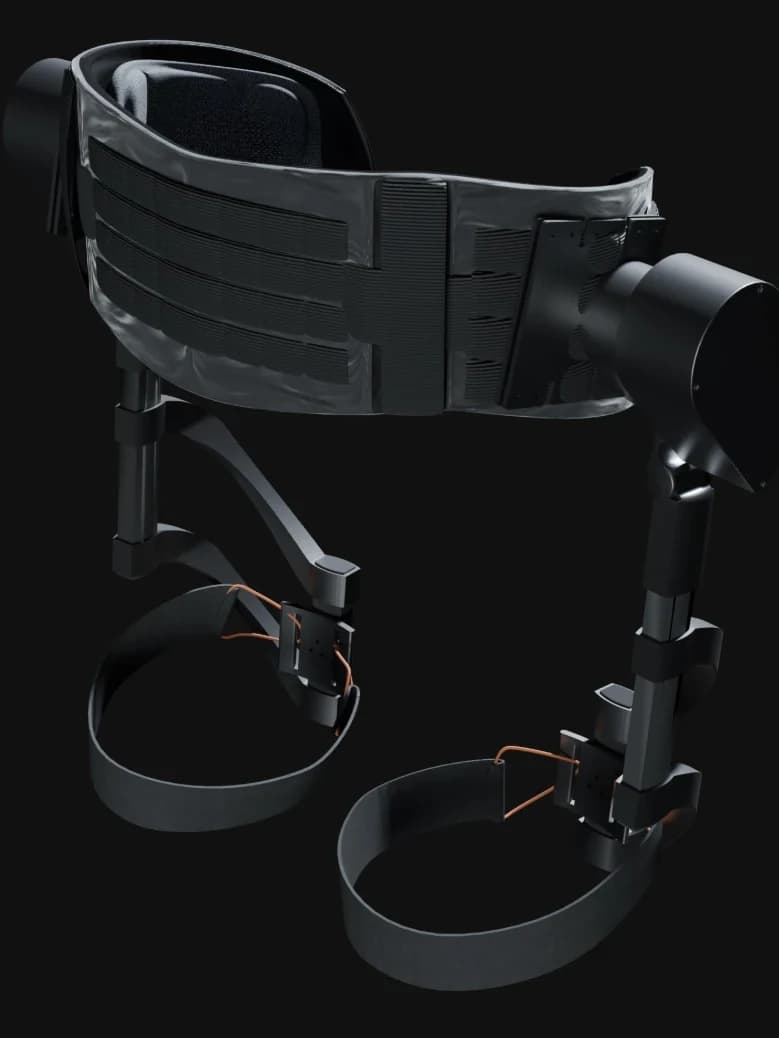
Four layers, each one open where it matters to a researcher: sensing you can read, control you can rewrite, actuation you can measure, and data you can take with you. The device actuates the hip; a knee module is in development.
Knee module
In development. The device shipping today actuates the hip only; the knee module is not part of it. Figures follow once there is hardware to measure.
- 01
Transparent
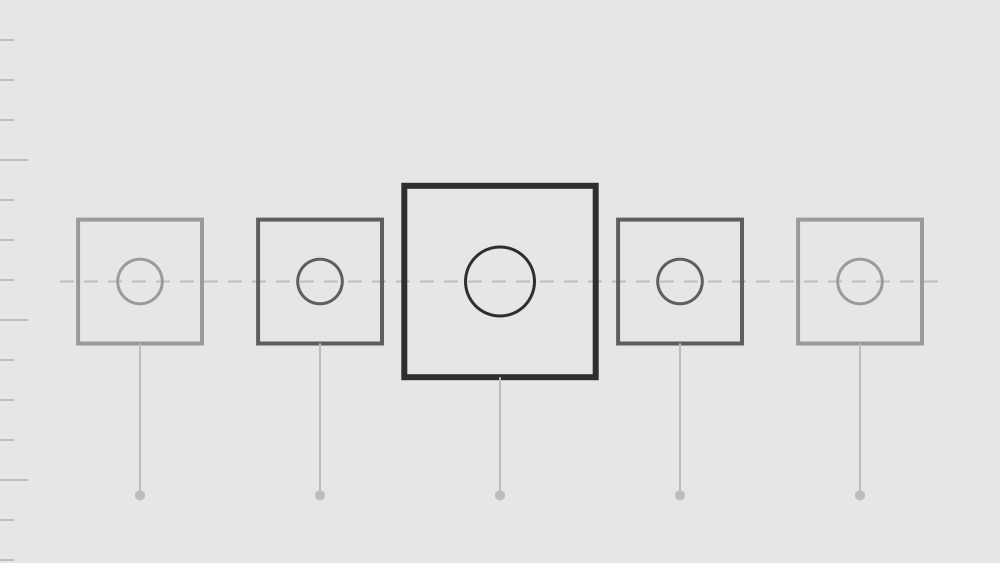
The device tracks the limb with minimal resistance, so a session in the device is a usable control condition rather than a confound.
- 02
Profile
A torque curve you define as a function of gait phase, loaded onto the controller and repeated identically across participants and sessions.
- 03
Adaptive
Onboard model adjusts assistance in real time. Every adjustment is logged, so the condition stays reconstructable after the fact.
Control profiles are not a menu. Define torque as a function of gait phase, load it onto the controller, run it, and the device records what it commanded alongside what it delivered. The gap between the two is itself a measurement.
The interface, the profile format and the documentation go to laboratories with the specification.
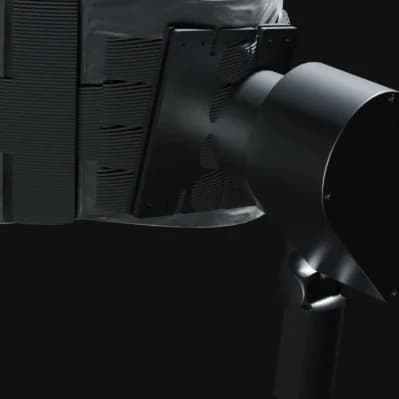
Every channel the device logs is exported in open formats — CSV and HDF5 — with a hardware trigger for alignment against your capture system. What is logged, in what unit and at what rate, is listed channel by channel in the specification we send you.
- Joint angle and joint state
- Commanded torque
- Measured torque
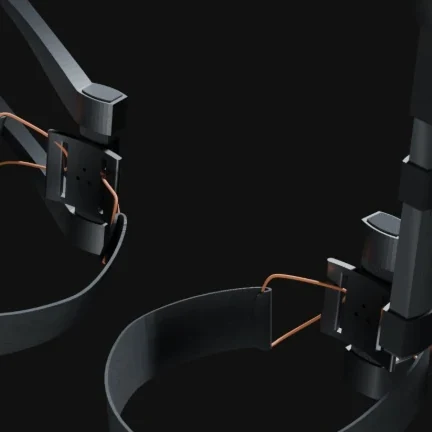
- Interaction forces at the cuffs
- Mode, profile identifier and every change to either
- Session timestamps aligned to the trigger